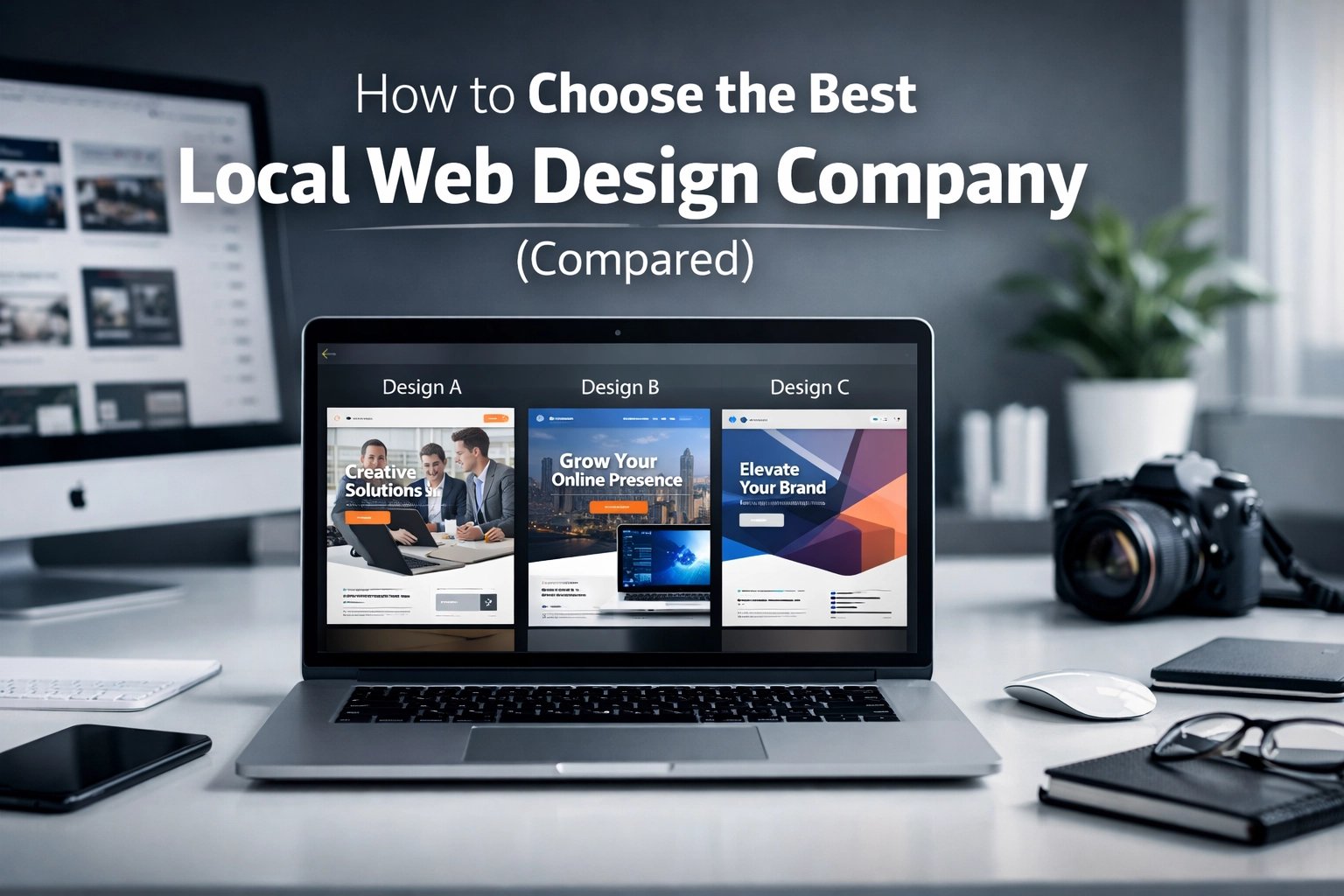
Choosing a web design partner is one of the biggest decisions you’ll make for your Tri-Cities business this year. Your website isn’t just a digital brochure; it’s your 24/7 salesperson, your brand ambassador, and often the first point of contact for potential customers in Kennewick, Pasco, and Richland.
With so many options: ranging from solo freelancers and DIY builders to massive national agencies: it’s easy to feel overwhelmed. How do you know who will actually deliver a return on investment and who is just selling a pretty template?
In this guide, we’re going to break down exactly what you should look for when hiring a local web design company and compare the different types of partners you might encounter.
Why Going "Local" Actually Matters
You might think that because the internet is global, your web designer could be anywhere. While technically true, there’s a massive advantage to working with someone who knows the Tri-Cities market.
A local company understands the local competition. They know that a construction company in Pasco has a different target audience than a boutique in South Richland. They understand the "vibe" of our community. Plus, there is something to be said for being able to meet in person or hop on a quick call with someone in your own time zone.
When you work with a local partner, you aren’t just a ticket number in a support queue; you’re a neighbor. At YLD Web Design, we’ve found that this local connection leads to better communication and, ultimately, a website that feels authentic to the business it represents.
1. Evaluate the Portfolio (Look Past the "Pretty")
The first thing everyone does is look at a portfolio. While visual appeal is important, you need to look deeper. A website can look amazing but function like a disaster.
When browsing a portfolio, ask yourself these questions:
- Is it easy to navigate? Can you find the contact info or the "Buy" button in under three seconds?
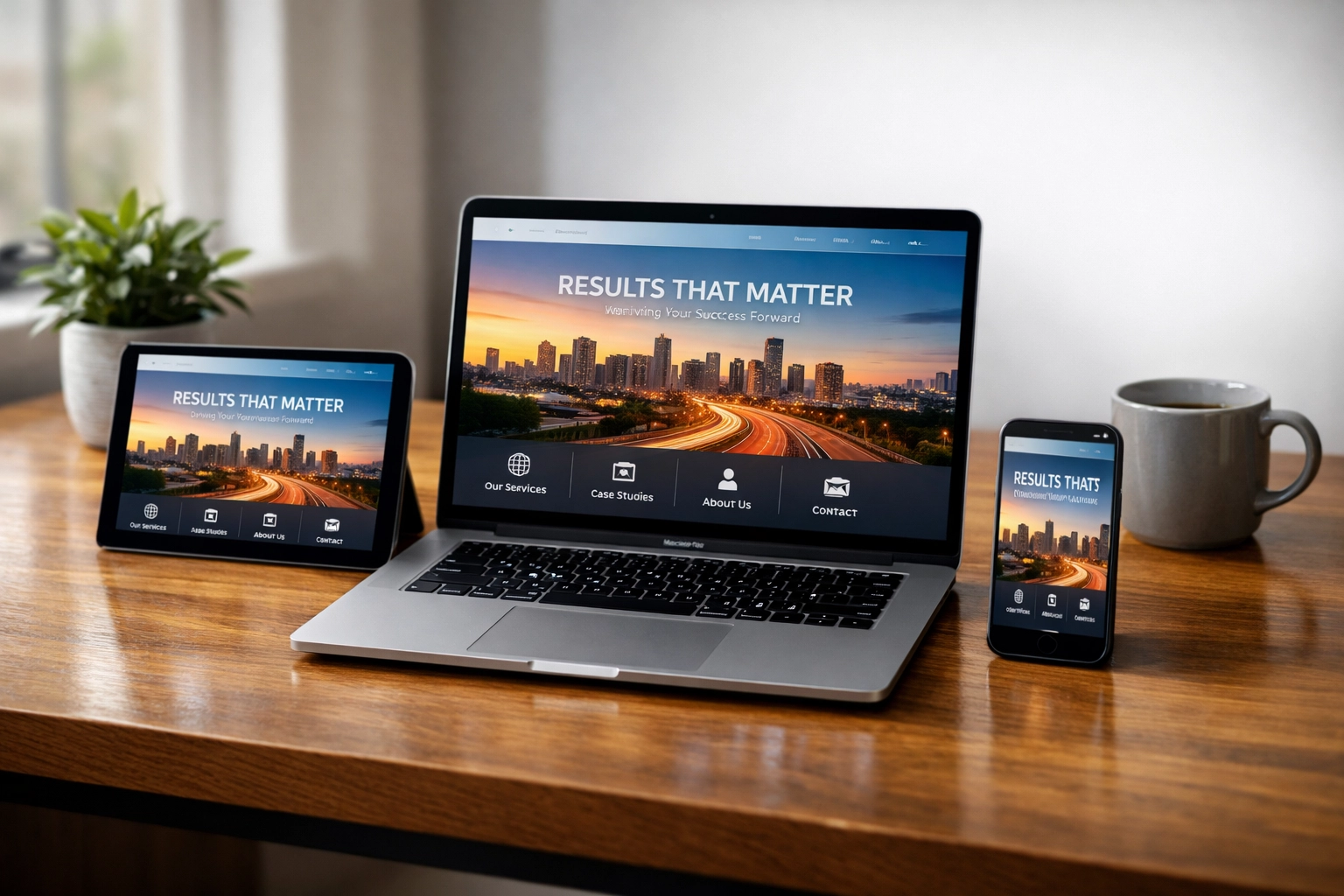
- Is it mobile-responsive? Open their past work on your phone. If it’s clunky or the text is too small, that’s a red flag.
- Is there variety? If every site they build looks identical, they’re likely using a one-size-fits-all template. Your business deserves a custom feel that matches your specific UX/UI design needs.
2. The Process: How Do They Get the Job Done?
A professional web design company should have a documented process. If they say, "Just send us some photos and we’ll figure it out," run the other way. You want a partner who acts as a strategist, not just a pixel-pusher.
A solid design process usually looks like this:
- Discovery: Learning about your goals, your audience, and your "why."
- Strategy: Planning the site map and the user journey.
- Design & Development: Building the actual site.
- Review & Launch: Testing everything before the world sees it.
If you’re in a hurry: maybe you’re launching a new brand or have an upcoming event: ask about specialized services like a Website in a Day. This is a high-intensity, collaborative process where we knock out a professional site in a single session. It’s perfect for businesses that need quality without the three-month wait.
3. Technical Expertise: SEO and Performance
In 2026, a website that doesn't show up on Google is essentially invisible. When comparing local companies, ask about their approach to SEO optimization.
Many designers build a site and then "add SEO" at the end. That’s like building a house and trying to put the plumbing in after the drywall is up. SEO should be baked into the structure of the site: from the way images are named to the speed at which the pages load.
Ask potential partners:
- How do you optimize for local search (Google Maps)?
- How do you ensure the site loads quickly on mobile devices?
- Do you handle technical things like SSL certificates and schema markup?

4. Comparing Your Options: The Three Main Players
To make the best choice, you need to know who you’re talking to. Here is how the local landscape usually breaks down:
The "Cheap" Freelancer
- Pros: Low upfront cost; often very flexible.
- Cons: Can be unreliable if they take a full-time job; often lack the broad skillset (design + SEO + copy) needed for a complete site.
- Best For: Very small side projects with zero budget.
The Big Regional Agency
- Pros: Large teams; handle everything from TV ads to web design.
- Cons: Extremely expensive; you’re often passed off to a junior account manager; slow turnaround times.
- Best For: Corporations with massive marketing budgets.
The Specialized Boutique (The YLD Approach)
- Pros: Expert-level focus on web design; personalized service from the owner; agile and fast; cost-effective.
- Cons: We don't do "everything" (like print ads or billboard buying), but we excel at digital.
- Best For: Local businesses that want a high-performing site without the agency overhead.
5. Beyond the Website: Networking and Growth
A great web company stays ahead of the curve. One trend we’re seeing in the Tri-Cities is the move away from paper business cards toward Tap2You Digital Business Cards.
When you’re at a local networking event in Kennewick, being able to tap your phone to a lead's phone and instantly send them to your new website is a game-changer. If a web design company isn't talking to you about how your website integrates with your overall networking and sales strategy, they’re missing the big picture.

6. Support After the Launch
The biggest mistake business owners make is thinking the job is done once the site goes live. The internet changes fast. Software needs updates, security patches are released, and your content needs to stay fresh.
Check if the company offers website management services. You don't want to be left hunting for your designer six months from now when you need to change a price or update a service. A good partner offers ongoing support to ensure your site stays fast, secure, and relevant.
7. Questions You Should Ask Before Signing
Before you commit, bring these questions to your initial consultation:
- "Will I own my website?" (Some companies "rent" you the site; at YLD, you own it).
- "What platform do you build on?" (We prefer WordPress for its flexibility and SEO power).
- "Can I see some testimonials from local clients?"
- "What happens if something breaks?"
- "How do you handle mobile users?"
Making the Final Decision
At the end of the day, you should choose a company that feels like a partner, not just a vendor. You want someone who is as excited about your business growth as you are.
If you’re looking for a local team that values clean design, fast performance, and honest communication, we’d love to chat. Whether you need a full custom build or a Website in a Day, we’re here to help Tri-Cities businesses stand out.
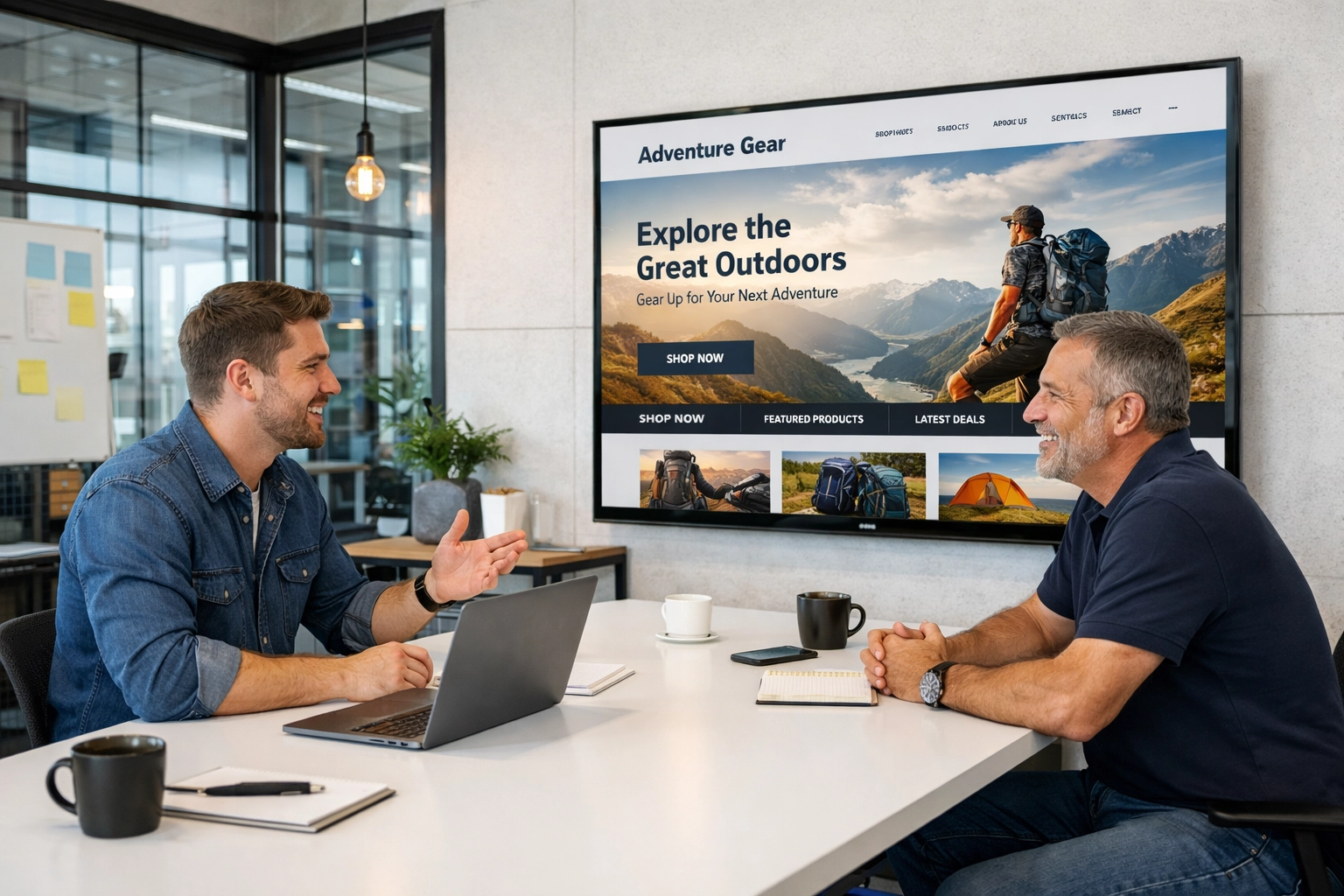
Ready to get started? Check out our frequently asked questions to learn more about our process, or contact us today for a consultation. Let’s build something great together.